Guided Fitment Support

Service workflows built around brake application certainty

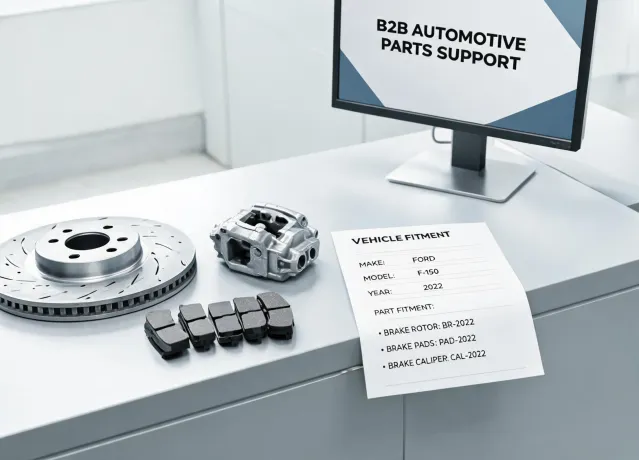
Raybestos service support is designed for the practical moments that decide whether a brake order moves smoothly: the buyer has a vehicle range, a part reference, a return concern, or a stocking question, and the team needs a disciplined way to sort the details before the quote is issued.

Brake catalog support desk
Two-column service cards

Support areas that lower wrong-part risk

Vehicle and reference review

Year, make, model, engine, trim, brake package, and previous part references are collected before the order conversation moves into price. This gives service bays and catalog operators a shared vocabulary when a rotor, drum, pad set, or caliper has several possible applications.

Distributor documentation

Raybestos requests can include carton labels, barcode expectations, packing notes, and required references for warehouse receiving. That documentation focus helps mixed brake shipments move through branch networks without forcing counter staff to rebuild the product story after arrival.

Brake program replenishment

When demand comes from high-turn pad and rotor numbers, the service path checks order cadence, regional vehicle parc, and safety stock expectations. The result is a quote conversation that recognizes both current service demand and future branch replenishment pressure.

Warranty and return triage

For warranty teams, the support workflow keeps installation notes, application data, and product family details together. This helps identify whether an issue is fitment, handling, installation environment, or documentation mismatch before a repeat order is placed.
Embedded FAQ

Questions parts teams ask before quoting

Send the OE reference, year, make, model, engine, trim, axle position, quantity, and any known rotor or drum measurements. If the request comes from a repair network, include the service environment and packaging expectations.

Yes. A single inquiry can cover pads, rotors, drums, and calipers when the vehicle data and branch stocking goals are clearly marked. Keeping the family mix visible helps the quote team group items by fitment and replenishment priority.

Reference requests are reviewed against application notes rather than part names alone. That is especially important when multiple pad shapes, caliper brackets, or rotor diameters appear close in catalog search but differ at installation.

Before guided review

Part numbers are checked in separate messages, vehicle notes stay in personal inboxes, and return conversations begin after the wrong product has already reached a bay. The process may look fast at quote time, yet it creates avoidable friction for receiving and warranty teams.

After Raybestos fitment workflow

Application data, product family, quantity, packaging needs, and reference notes are captured together. Buyers can compare brake options with fewer handoffs, and distributors keep a clearer record for future replenishment and customer support.

CTA

Start with the vehicle data you already have

Send a brake program request with references, application range, and order goals. The Raybestos team can respond with the next information needed for a cleaner parts counter decision.